The complete guide to Dutch Holidays
- 10 min
- 17 nov. 2026
Holidays: who doesn't love them? Quite a few people, actually, but they probably stopped reading. So: welcome, holiday lovers! If you want to know what we celebrate, when you might get a day off and where the real party is, you're in the right place. We'll walk you through the strange and sometimes confusing world of Dutch holidays.
Quick links
Don't feel like scrolling? Jump straight to the holiday you are looking for.
Types of Dutch holidays
Dutch holidays come in three kinds. First, our national holidays: King's Day and Liberation Day. Then there are the official holidays, all of which come from Christianity except New Year's Day. And finally our volksfeesten, or unofficial holidays: days that many Dutch people celebrate, but that never give you a day off.
There's plenty more going on in the city all year round. So many cultures and nationalities live in Eindhoven that there is always something to celebrate. There's Eid al-Fitr at the end of Ramadan, the Hindu festival of lights Diwali, Chinese New Year, and Keti Koti on 1 July, which marks the abolition of slavery. We can't list them all, so keep an eye on our events calendar to see what's coming up.
New Year’s Day
What is it? Official holiday
When? 1 January
What do we celebrate? The new year
New Year's Day needs little explanation. What does need some: in the Netherlands we wash off the hangover by running into freezing water. The most famous nieuwjaarsduik (New Year's dive) is in Scheveningen, where tens of thousands of people hit the sea at once.
Eindhoven has no official dive, but plenty of brave locals throw themselves into a lake on 1 January. With a flask of snert (thick Dutch pea soup) waiting on the bank, obviously.
Good Friday
What is it? Unofficial holiday
When? Somewhere between 1 February and 9 March
What do we celebrate? The last days before Lent
For Christians, Good Friday is a day of mourning and gratitude. It is the day Jesus Christ died on the cross. That may not sound very 'good', but believers see his death as a sacrifice: everyone who believes in him gets a chance at eternal life. That makes it an important day. Many believers fast on Good Friday and go to a simple church service.
In practice, hardly anyone gets the day off, apart from people who work for the government or a bank. The Netherlands has few churchgoers, and it is not exactly a day for celebrating.
Easter Sunday and Easter Monday
What are they? Official holidays
When? The first Sunday and Monday after the first full moon of spring
What do we celebrate? The resurrection of Jesus
For Christians and brunch lovers alike, Easter Sunday is the high point of the year. Jesus died on Good Friday and rose from the dead on the Sunday. Lent ends that morning, which explains the size of the average Dutch Easter breakfast. And since it lands just after the first full moon of spring, it doubles as a spring party.
Curious how Easter in the Netherlands differs from Easter elsewhere? Read our full guide, 'A very Dutch Easter'.
King’s Day
What is it? National holiday
When? 27 April (or 26 April if the 27th is a Sunday)
What do we celebrate? The birthday of King Willem-Alexander
King Willem-Alexander, Wim-Lex to most of us, celebrates his birthday with the public by visiting a town and letting himself be talked into games like koekhappen (biting a cake off a string with your hands behind your back) and sack racing. The town he picks pulls out all the stops. He and his family walk the streets while schools and local clubs perform along the way.
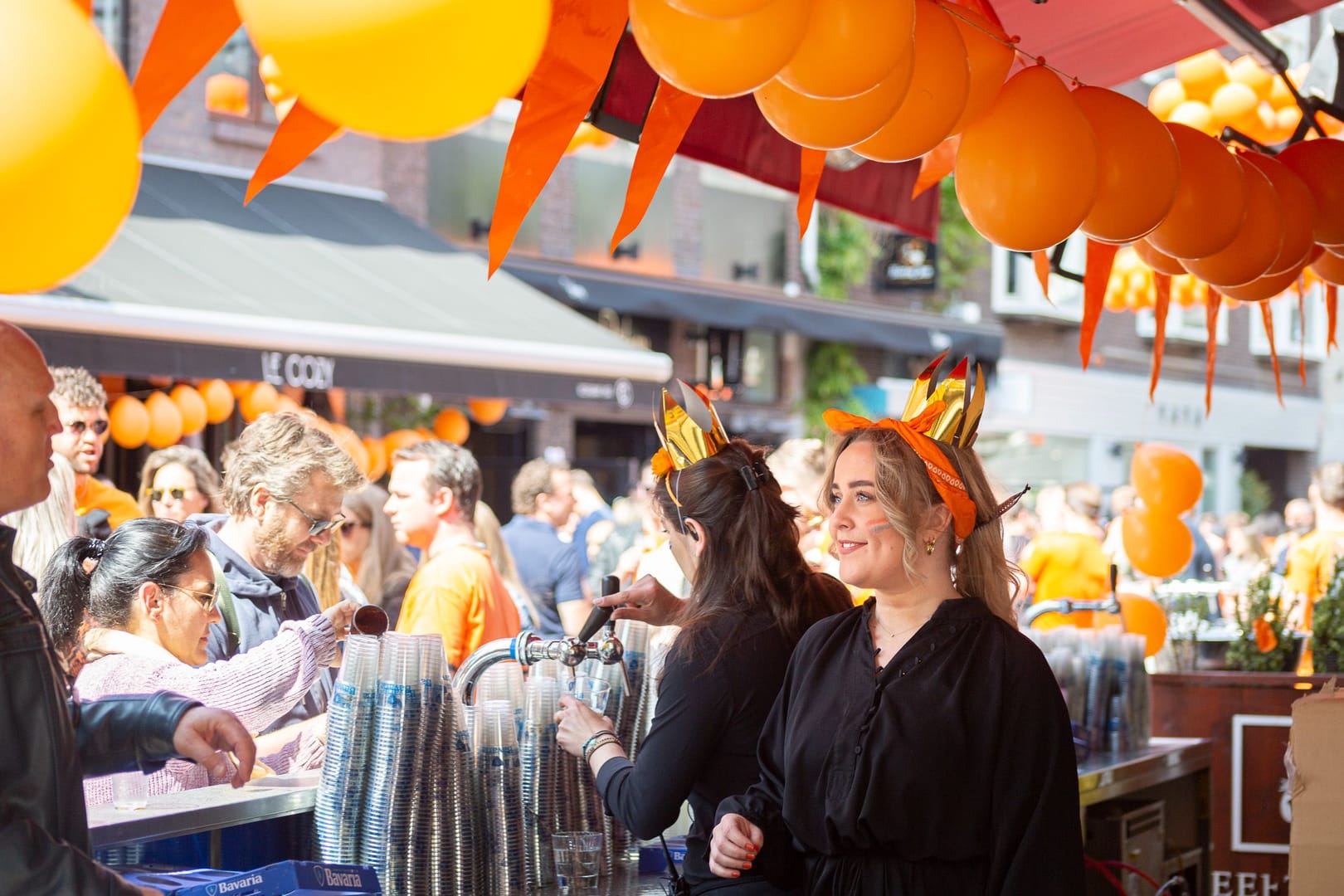
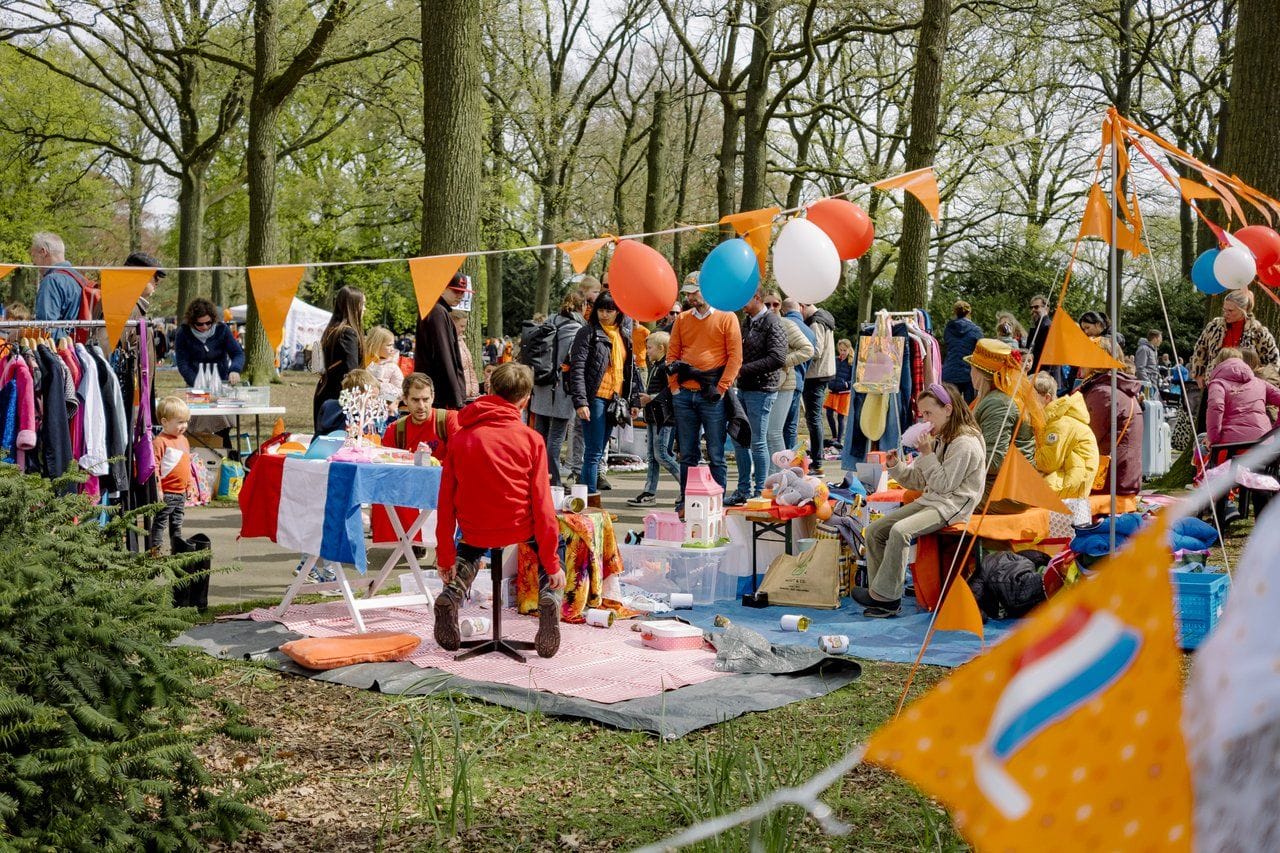
Together with Amsterdam, Eindhoven is the place to be on King's Day. The whole city turns orange, and you will find a party on every corner. Browse the stalls and picnic blankets where people sell off their old stuff, or dive into the crowd in your best orange shirt. Want to know how to get the most out of the day? We explain everything in our King's Day 101.
One last fun fact: the orange tompouce, a pastry filled with custard, was 'invented' to celebrate the birth of Wim-Lex in 1967. It has been a favorite ever since.
Remembrance Day
What is it? Day of remembrance
When? 4 May, at 20:00
What do we remember? Everyone who died during and after the Second World War
Not a holiday, but one of the most important days in the Dutch calendar: Nationale Dodenherdenking. On 4 May, the day before Liberation Day, we remember everyone who died during and since the Second World War and the colonial war in Indonesia, anywhere in the world.
Shops close at 19:00 on 4 May. At 20:00 the whole country goes quiet for two minutes. Even the pizza delivery drivers stop where they are. Then we sing the Dutch national anthem, the Wilhelmus.
The official ceremony takes place on Dam Square in Amsterdam, where the king and his family, members of the government and veterans lay wreaths at the national monument. Every public broadcaster shows it live.
Liberation Day
What is it? National holiday, once every five years
When? 5 May
What do we celebrate? The liberation of the Netherlands after the Second World War
On 5 May 1945, the whole of the Netherlands was finally free from German occupation. We celebrate that every year with liberation festivals across the country. Eindhoven does not join in: our city was already liberated on 18 September 1944, and that has been our liberation day ever since.
Every five years, Liberation Day is an official day off – the next times are in 2030 and 2035. In the years in between, you have no right to paid time off or extra pay.
Ascension Day
What is it? Official holiday
When? 39 days after Easter Sunday
What do we celebrate? The ascension of Jesus
According to the Bible, this is the day Jesus went up to heaven. It falls on the 40th day of the Easter period, counting from Easter Sunday, so it always lands on a Thursday. Hardly anyone celebrates it, but employers often throw in the Friday as a collective day off. It costs you one of your own vacation days, but you get a four-day weekend out of it. Fair deal, right?
There are not many Ascension Day traditions here. Some people still get up before sunrise to go dauwtrappen, literally 'treading the dew': a long walk through the countryside. The hardcore ones leave their shoes at home. Centuries ago, before meteorologists got the respect they deserve, dew counted as something divine, and walking through it barefoot brought you closer to God.
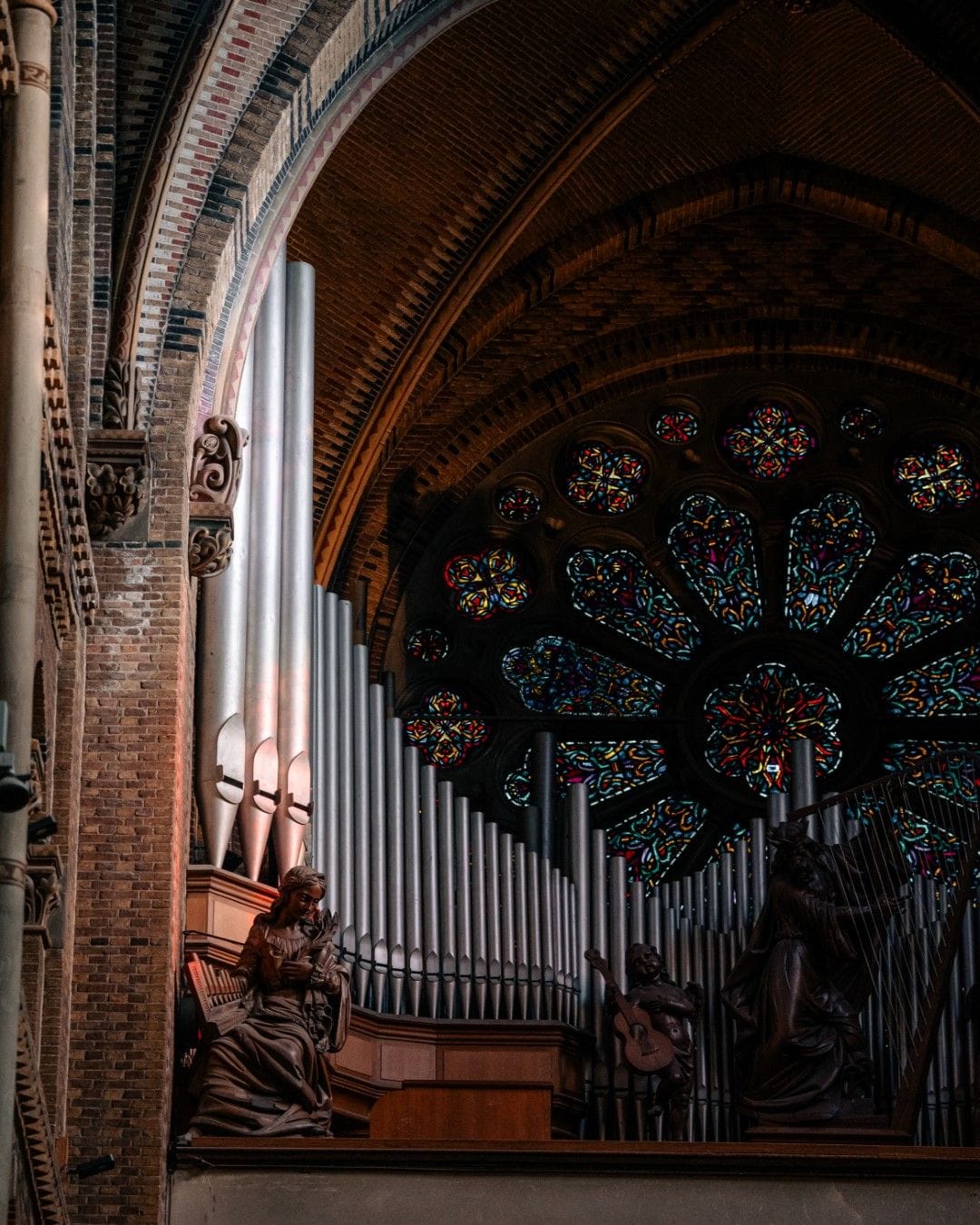
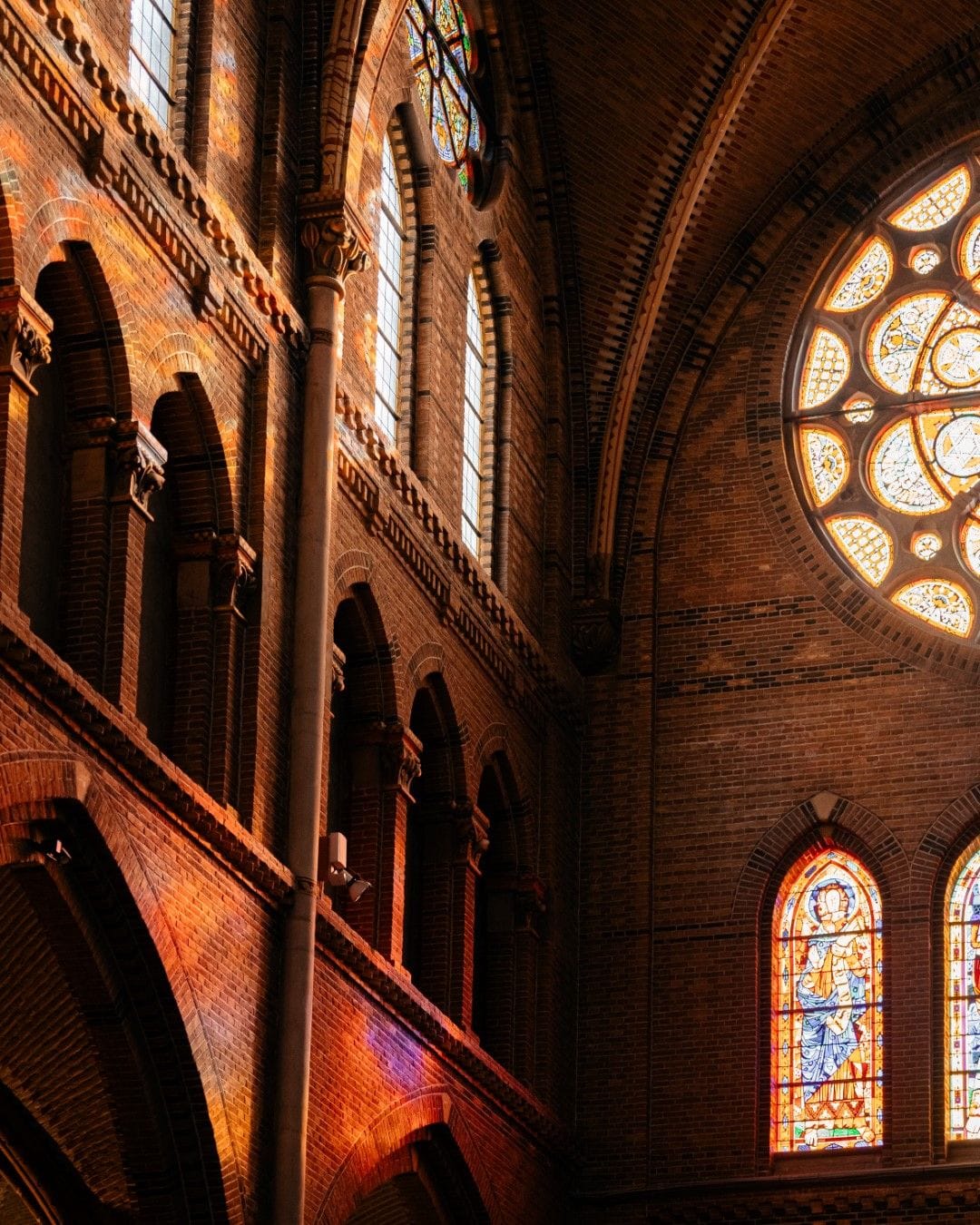
Catharinakerk © Studio Heinrich
Whit Sunday and Whit Monday
What are they? Official holidays
When? The seventh Sunday after Easter
What do we celebrate? The coming of the Holy Spirit
Whitsun, also known as Pentecost, is the Christian festival of the Holy Spirit: the presence of God in people. The name comes from the Greek word pentèkostè, meaning '50th', because Whit Sunday is the 50th and last day of the Easter period.
Don't hold us to the biblical details, but in short, after Jesus’ death, the apostles were left without direction. At Whitsun, the spirit of God came down on them, so they could carry God with them from then on. They suddenly spoke all kinds of foreign languages and could spread the word around the world.
In the Netherlands, Whitsun mostly means fairs and festivals such as Pinkpop. Several places light pinkstervuren (Whitsun bonfires), because nothing beats setting fire to an enormous pile of wood and watching it with a beer in your hand. And like Easter Monday, Whit Monday is really furniture-shopping day. Now you know where not to be if you dislike crowds.
18 September
What is it? An Eindhoven holiday
When? 18 September
What do we celebrate? The liberation of Eindhoven in the Second World War
On 18 September 1944, the Allies liberated Eindhoven during Operation Market Garden. The rest of the country had to wait until 5 May 1945. Eindhoven is the only city in the Netherlands that celebrates its own liberation rather than the country's. You will find events and ceremonies all over the city on 18 September, such as the Lichtjesroute, a route of illuminated artworks. Because it is a local day, you almost never get the day off. Luckily, there is always an evening program to join.
Sint Maarten and Elluf Elluf
What are they? Unofficial holidays
When? 11 November
What do we celebrate? Saint Martin, and the start of the carnival season
Saint Martin (Sint Maarten in Dutch) of Tours was a Catholic saint known for his generosity. He was buried on 11 November 397. On Sint Maarten, children walk from door to door with paper lanterns and sing songs about him in exchange for sweets. It used to be something poor people did; today it is very much a children's party. For some believers, a period of fasting until Christmas starts after Sint Maarten.
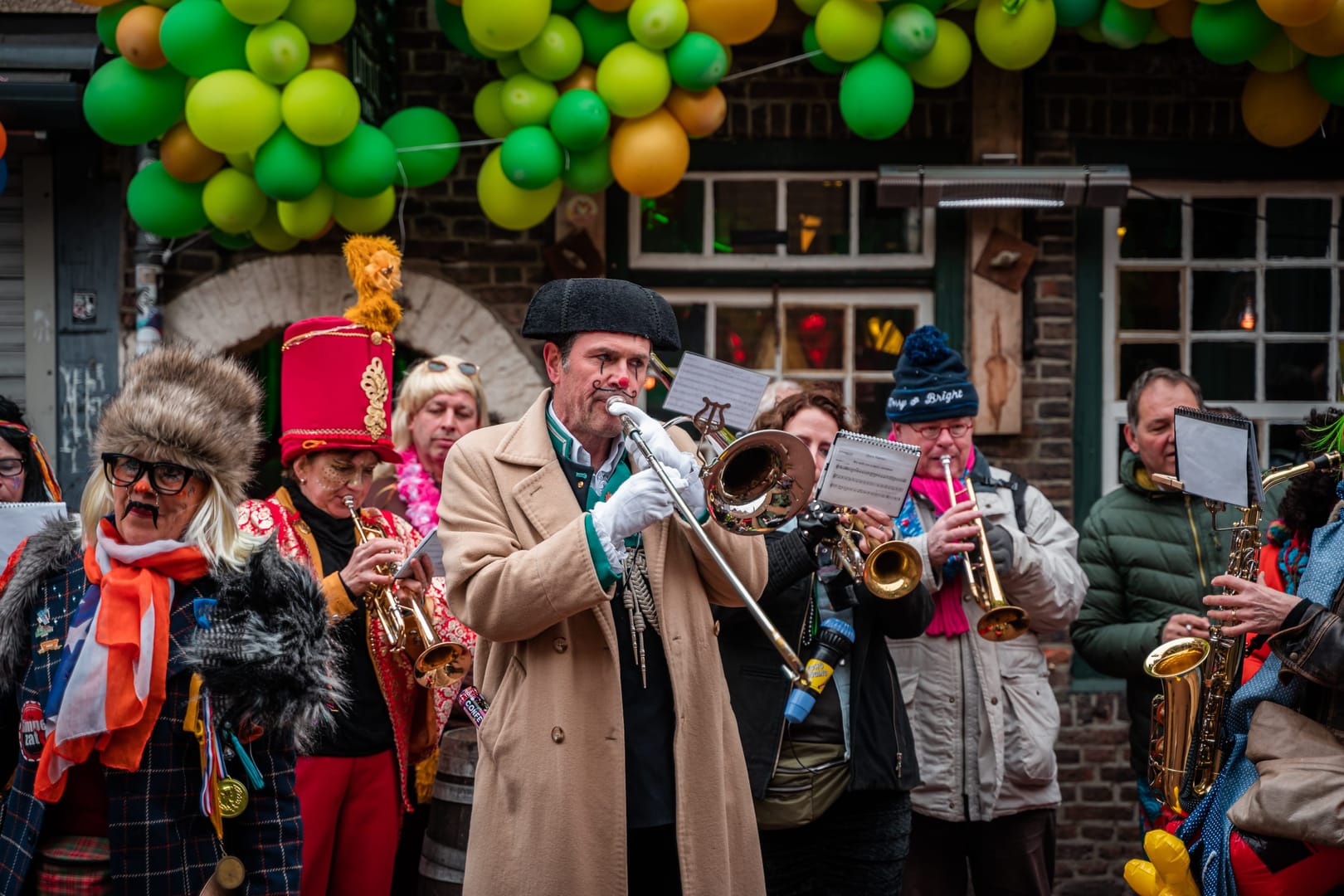
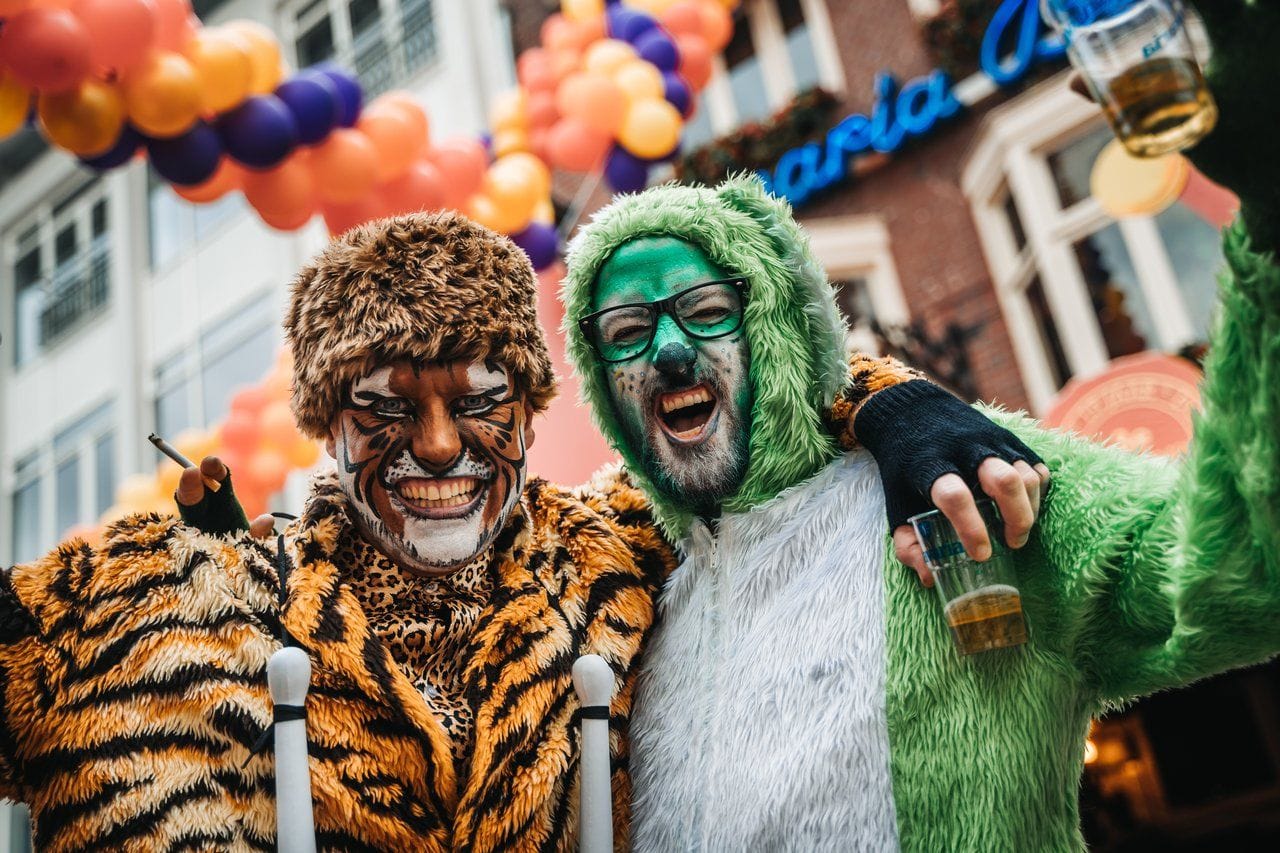
Also on 11 November, at 11:11 sharp, the carnival season opens with 'Elluf Elluf' (dialect for 'eleven eleven'). Most towns crown their Prince or Princess Carnival that day, though not Eindhoven. Why start in November? Eleven is the fools' number, which suits a festival built on mockery, so it turns up everywhere: the Prince has a Council of Eleven, and 'Alaaf', the carnival greeting, probably comes from the word too. And if people who celebrate carnival share one thing, it is a love of a party. The eleventh of the eleventh was never going to slip by unnoticed.
Sinterklaas
What is it? Unofficial holiday
When? 5 December
What do we celebrate? The birthday of Sinterklaas
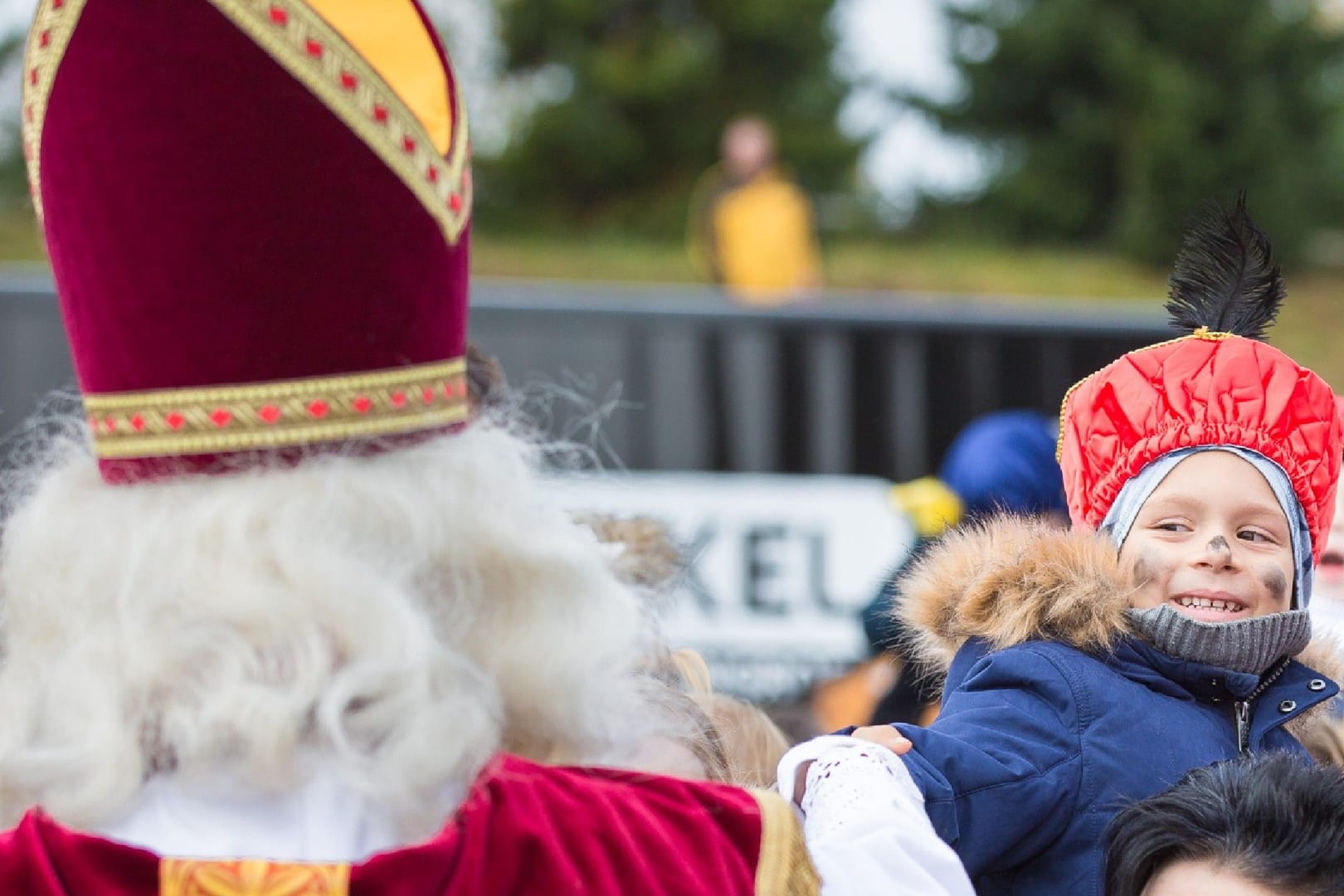
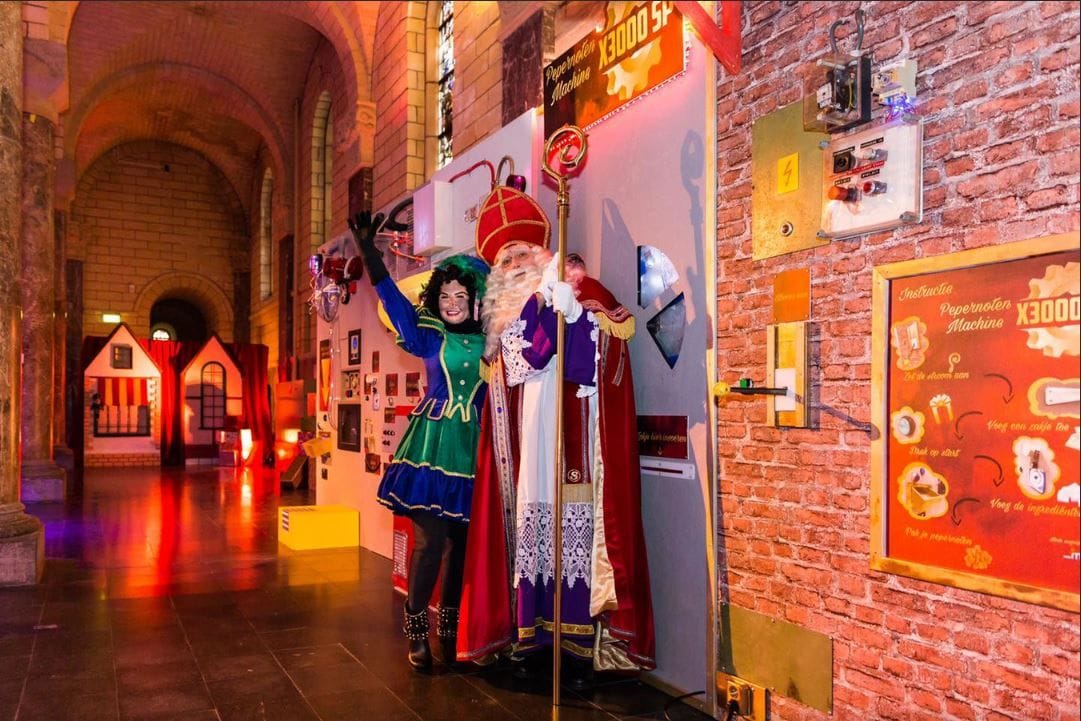
On the evening of 5 December, Sinterklaas celebrates his birthday and hands out presents to children who have behaved. We call that pakjesavond (presents evening). Sinterklaas arrives from Spain in November by steamboat, with his white horse Ozosnel and his helpers, the Pieten. That is Sinterklaas in a nutshell, but we can imagine you still have questions. We're on it!
Sinterklaas, or Sint-Nicolaas, is based on bishop Nicholas of Myra, a saint known for his generosity and his love of children. He is even said to have brought several children back to life. He himself died on 6 December 342. Nobody quite knows why pakjesavond falls on the 5th. Perhaps for the same reason Santa comes on Christmas Eve and not on Christmas Day.
Why he sails in from Spain of all places, nobody remembers either. The idea probably comes from an old picture book, or somebody simply decided a steamboat makes for a better entrance.
Today's Sinterklaas is a friendly old man children are happy to sit with. He started out as the opposite: a figure meant to frighten children into behaving. At some point, parents worked out that a reward beats a punishment and flipped it around, into presents and sweets for the ones who had been good. Naughty children went into the sack and off to Spain, or got a birch rod as a present so their parents could smack them with it. The sack and the rod disappeared decades ago. Times change.
The tradition that raises the most questions is changing too: the Pieten. Fewer and fewer places paint them fully black. That change got going because the classic Zwarte Piet, with thick red lips and gold earrings, was a racist caricature. A caricature that does not even fit the story, which says that Sinterklaas's helpers are covered in soot because they climb down chimneys to deliver presents. That would leave no more than a few smudges. So these days you often see the roetveegpiet, with soot stripes on their cheeks. Regenboogpieten are popular too: they shower after the chimney and put on brightly colored make-up to match their outfits (which also makes it harder for children to recognize their uncle).
From November you can find everything happening in Eindhoven around Sinterklaas on our page with festive events – from his arrival parade to the free gift-wrapping service.
Christmas Day and Boxing Day
What are they? Official holidays
When? 25 and 26 December
What do we celebrate? The birth of Jesus
At Christmas, we celebrate the birth of Jesus, as much of the world does. You can go to a midnight mass on Christmas Eve here too, and everyone is welcome. Beyond that, the birthday boy is hard to spot in most Dutch homes because most of the country isn’t particularly religious anymore. What you will find almost everywhere: a Christmas tree, a sjoelbak (a wooden shuffleboard game), a tabletop grill for gourmetten, and a Viennetta ice cream cake.
Curious about all the Dutch Christmas traditions? Read our article 'A very Dutch Christmas'. Christmas markets, ice skating, and other December things are listed every year from November on our page with festive events.
New Year’s Eve
What is it? Not a holiday. But the biggest party of the year
When? 31 December
What do we celebrate? That the year is over
Officially, 31 December is a normal working day, though you would never guess. By evening the country runs on oliebollen (deep-fried dough balls) and apple fritters, with whole families parked in front of the oudejaarsconferentie: a comedy show in which one comedian takes the past year apart. At midnight people raise a glass, swap three kisses on the cheek and wish half the country a happy new year.
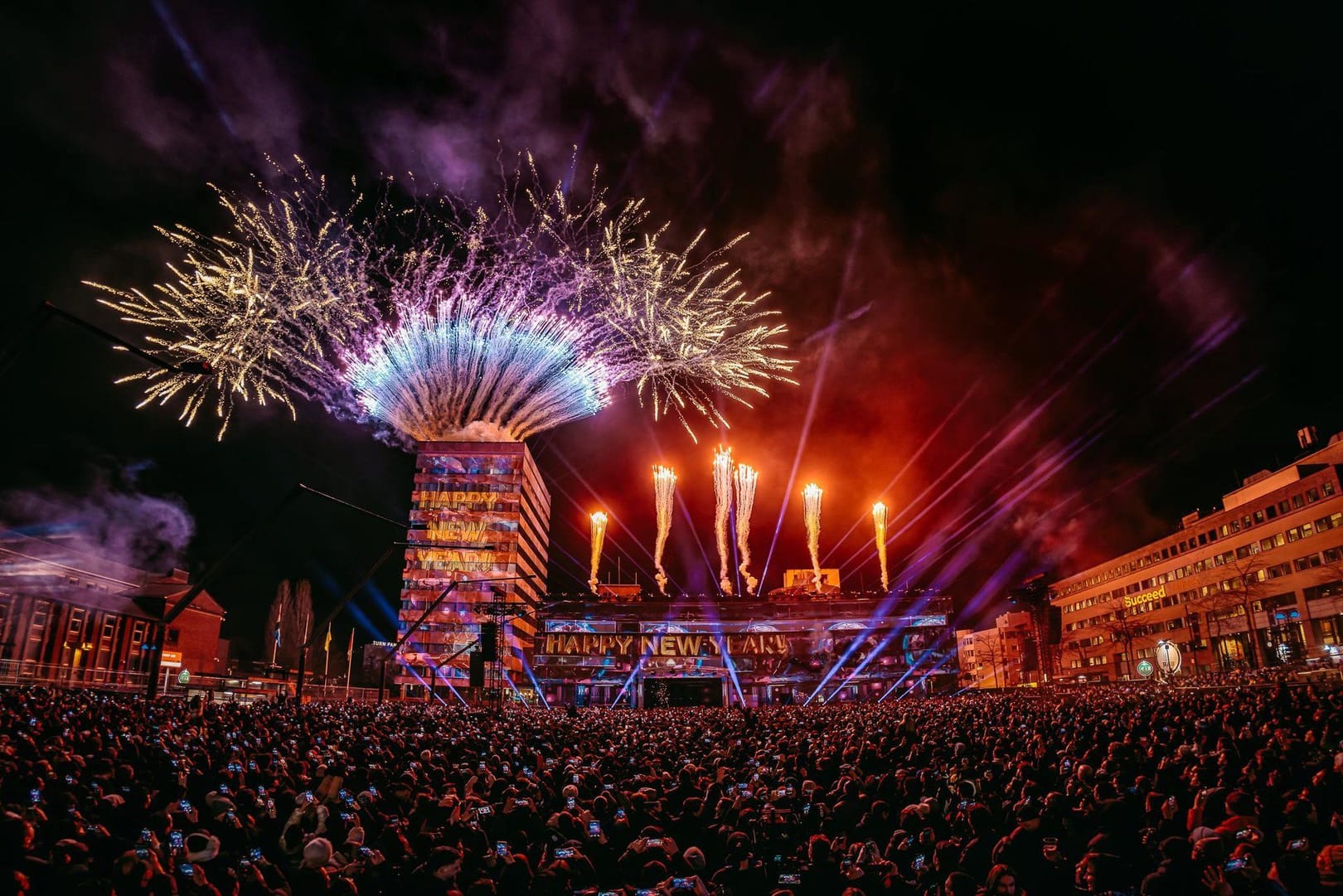
Then the fireworks. In Eindhoven you are only allowed the small stuff, sparklers and the like. Traditions are stubborn, though, so you will still see plenty going up at midnight.
The city center especially: for a few years now you have been able to ring in the new year at Stadhuisplein with New Year's EHVE, the city's own New Year's Eve party, including a big fireworks display. Looking for something smaller? We list the New Year's Eve parties every year.
Practical info
Do you get the day off?
An official holiday is no guarantee of a day off in the Netherlands: your employer decides. Whether you get the day – and whether you earn extra if you do work – is set out in your employment contract or in the collective labor agreement (cao) for your sector. Worth a look before you book a trip.
Banks
Banks are closed on most official holidays. The European Central Bank decides whether payments are processed that day. That is why payments stop on Good Friday and Easter Monday, but not on King's Day or Liberation Day. If you have an important payment to make, check with your bank.
Shops
Supermarkets stay open on holidays, though they often close early. No panic, then, if you forgot the Viennetta for Christmas dinner. Most other shops shut. The exception: the second days of Easter, Whitsun and Christmas, when half the country heads out to shop, and especially to the furniture malls on the edge of town.
Schools
Schools are closed on New Year's Day, Easter Monday, King's Day, Liberation Day, Ascension Day, Whit Monday, Christmas Day and Boxing Day. Do you celebrate another religious holiday that is not an official day off? You can ask your child's school for special leave.
Tags
Practical info